


Understanding Why Teeth Move Over Time
You are getting older and have noticed that your smile looks different lately. You say to yourself, “I had braces… Why are my teeth crooked again?” You’re definitely not the only one who feels this way! Even with good oral hygiene and regular dental care, people still notice their teeth shifting as they age.
DID YOU KNOW that 1 in 3 orthodontic patients today are adults (according to the American Association of Orthodontics)?


There are a number of factors that can contribute to your teeth shifting as you get older. Some of the most common causes include:
Changes in Bone Density and Gum Recession
As you age, you naturally start to experience a loss of bone density, and your jaw is no exception. When that happens, the foundation that holds your teeth in place becomes weaker and the gum tissue supporting your teeth slowly starts to recede. Both of these structures work together to anchor your teeth in place. When that all weakens over time, teeth can start to gradually shift.
Teeth Grinding or Clenching
A lot of people grind or clench their teeth without even realizing it, especially at night. Over time, that constant pressure can start to shift your molars and push other teeth out of position. Grinding can also lead to your teeth chipping or breaking and can cause other issues such as tooth sensitivity, headaches, and TMJ disorder.
Missing Teeth or Changes in Bite Alignment
If you have a missing tooth and don’t replace it with something like an implant, bridge, or denture, your surrounding teeth can slowly start to drift into that space. That movement can also change how your bite fits together over time.
Other Oral Health Changes That Come With Aging
Menopause and Oral Health
How does menopause actually affect oral health? Well, the hormone estrogen actually plays a pretty big part in maintaining the health of the gums and bones that support the teeth. During menopause, estrogen levels drop causing changes in oral health in a few different ways.
- Possible tooth shifting: As we’ve already discussed, bone density and gum tissue anchor the teeth in place. Since estrogen helps support those structures, changes can cause shifting over time.
- Dry mouth: Estrogen also helps manage saliva production. So some women experience a decrease in saliva flow when their estrogen levels drop which can lead to dry mouth.
- Increased tooth sensitivity: Changes in hormone levels can cause increased sensitivity to hot and cold temperatures, as well as acidic or sugary foods.
Medications and Dry Mouth
As you reach your 50s and 60s, people tend to start taking more medications, all for various reasons, but they typically come with some side effects that affect the mouth. In particular, a lot of medications will have dry mouth as a side effect.
But how does dry mouth affect your oral health? Saliva is extremely important to your overall oral health. It keeps your mouth moist and comfortable, kills bacteria, and acts as a natural defense protecting your enamel. So when your mouth stays dry for longer periods of time, it becomes easier for bacteria to build up and harder for your teeth and gums to stay protected. That can increase the risk of cavities and gum disease.
The good news is there are simple ways to help manage it. Drinking plenty of water, chewing sugar-free gum or lozenges to help stimulate saliva production, and using saliva substitutes or mouth rinses. There are even special tabs you can put on your mouth at night to help with dryness.
Everyday Habits That Support Oral Health as You Age

There are a number of everyday things you can do to maintain your oral health as you age.
- Keep up with regular dental cleanings and exams
- Brush twice a day and floss consistently
- Drink plenty of water, especially if you’re dealing with dry mouth
- If you’re having any tooth sensitivity, try out a desensitizing toothpaste or fluoride treatments
- Wear a nightguard if you know you grind or clench your teeth in your sleep
- Replace missing teeth when recommended
- Continue wearing your retainer if you’ve ever had braces or Invisalign
There’s a common misconception that after your teenage years, your teeth will stay put. After all, that’s usually when people get orthodontic treatment. But the truth is, our teeth never stop moving. Depending on how severe the movements are, they can seriously affect your oral health and your smile. – American Association of Orthodontics
When to See an Orthodontist About Shifting Teeth
Even with daily habits and good oral health, as you age you may still notice some teeth shifting. It may be time to visit the orthodontist if you notice:
- New crowding: Teeth that used to feel straight now seem tighter, harder to floss between, or trap food more easily.
- Gaps appearing: Spaces that were not there before can be a sign that your teeth have moved.
- Your retainer no longer fits: If your retainer feels tight, uncomfortable, or will not fully seat, your teeth may have shifted.
- Changes in tooth shape or length: Teeth that maybe look longer can point to gum recession, while shorter teeth may suggest enamel wear from grinding.
- Bite changes: If your bite does not come together the way it used to, or chewing feels off, your alignment may have changed.
The sooner any teeth shifting is addressed, the simpler the treatment often is. In many cases, options like retainers, Invisalign, or braces can help get things back on track. So whether your motivation is cosmetic or health-driven, it’s never too late to reinvent your smile! Get more information about Adult Orthodontics from the American Association of Orthodontics.
Frequently Asked Questions about Teeth Shifting and Oral Health with age
Why are my teeth shifting as I get older?
Your teeth can shift as you get older for a number of reasons, including changes in bone density, gum recession, grinding and clenching, missing teeth, and even just natural bite changes from small movement over time.
Is it normal for teeth to shift with age?
Yes, mild tooth movement is common as you age. Many adults may notice crowding, space, or bite changes over time.
Can menopause cause teeth to shift?
Hormonal changes, like estrogen levels dropping, can affect bone density and gum tissue, which may contribute to teeth shifting over time.
How do I stop my teeth from shifting?
If you have a retainer, wearing it consistently will make a huge difference in stopping your teeth from shifting. Other than that, replacing missing teeth, wearing a nightguard for grinding, and keeping up with dental and orthodontic visits can all help reduce shifting.
Can teeth move years after braces?
Yes, teeth can still move even years after braces, especially if retainers are not worn as directed. After orthodontic treatment, teeth naturally want to shift back toward their original positions over time, so it’s crucial to wear your retainers. It’s recommended to even wear your retainer at night for your whole life.

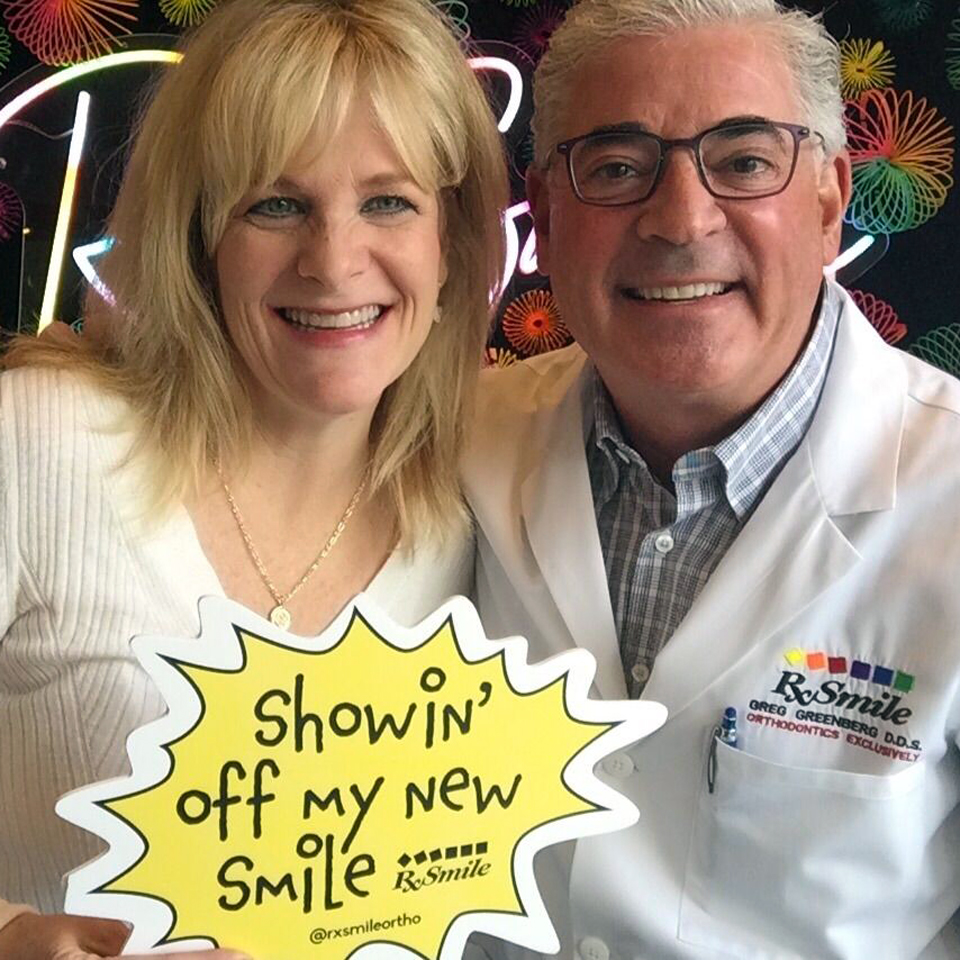


Get a FREE Consultation to Learn More about your Shifting Teeth
If you’ve started noticing changes in your smile or tooth alignment, scheduling an free evaluation with Drs. Greenberg or Ortiz is a great next step! We offer adults the option of an in-person consultation or a virtual consultation from the comfort of your home! Our virtual new patient consultation through our SmileSnap app is recommended for busy adults with work and family commitments. It’s super easy! Either way, once the doctors learn about your concerns and smile goals, plus have the opportunity to review photos of your teeth, they can determine the root cause, answer any questions you may have, and recommend the best option to help protect your smile long-term.
If you have any questions about getting adult braces or Invisalign, don’t hesitate to call the front office at (972) 335-1300 during our regular business hours (Mon-Thur 8am-5pm) or submit an online appointment request after hours and one of our friendly, office staff will respond when we’re back in the office.
Invisalign®, the Invisalign logo, and iTero®, among others, are trademarks and/or service marks of Align Technology, Inc. or one of its subsidiaries or affiliated companies and may be registered in the U.S. and/or other countries.