Help! My Child Still Sucks Their Thumb!
What Parents Need to Know about Thumb Sucking as Kids Get Older
Thumb sucking is one of those habits that’s completely normal in the early years, but if your child is still doing it at 6, 7, or even 10 years old, it’s worth paying attention to. At that point, it’s no longer a habit to just wait out. Prolonged thumb sucking as kids get older and start to get their permanent teeth can actually affect how your child’s teeth and jaw develop.
In this article, we’re going to break down why it matters more as your child gets older, and how you can help them break the habit for good.
A Normal Part of Early Childhood

Sucking is actually one of the first reflexes that a baby has, so much so that some infants even do it in the womb. Whether it’s a thumb, a finger, or a pacifier, it’s a natural way for young children to self-soothe, feel secure and happy, and even learn about their world. According to the American Dental Association, most children stop on their own somewhere between ages 2 and 4, without any real intervention needed. If it continues past that point, it’s important to start gently discouraging the habit.
The intensity of the sucking is a factor that determines whether or not dental problems may result. If children rest their thumbs passively in their mouths, they are less likely to have difficulty than those who vigorously suck their thumbs. – American Dental Association

Why Children Might Keep Sucking Their Thumb

As kids get older, thumb sucking often shows up in specific moments rather than all day long. A few common triggers are:
- Stress or anxiety, like starting a new school year or a big change at home
- Tiredness, especially to sooth at bedtime
- Boredom and just feeling like they need something to do with their hands
- Comfort, think of it like twirling hair or holding a favorite blanket or toy
For a lot of kids, the habit naturally starts to fade as they get busier exploring the world around them, and they usually pick up new ways to relax, self-soothe, and entertain themselves that don’t involve putting their thumb in their mouth.
With that being said, not every child gets there on their own. Some may need a little extra help from their parents, and a dentist or orthodontist, to finally break the habit.
Children usually stop sucking between the ages of two and four years old, or by the time the permanent front teeth are ready to erupt. If you notice changes in your child’s primary/baby teeth, or are concerned about your child’s thumb sucking habit consult a dentist or orthodontist. – American Dental Association
The Effects of Prolonged Thumb Sucking
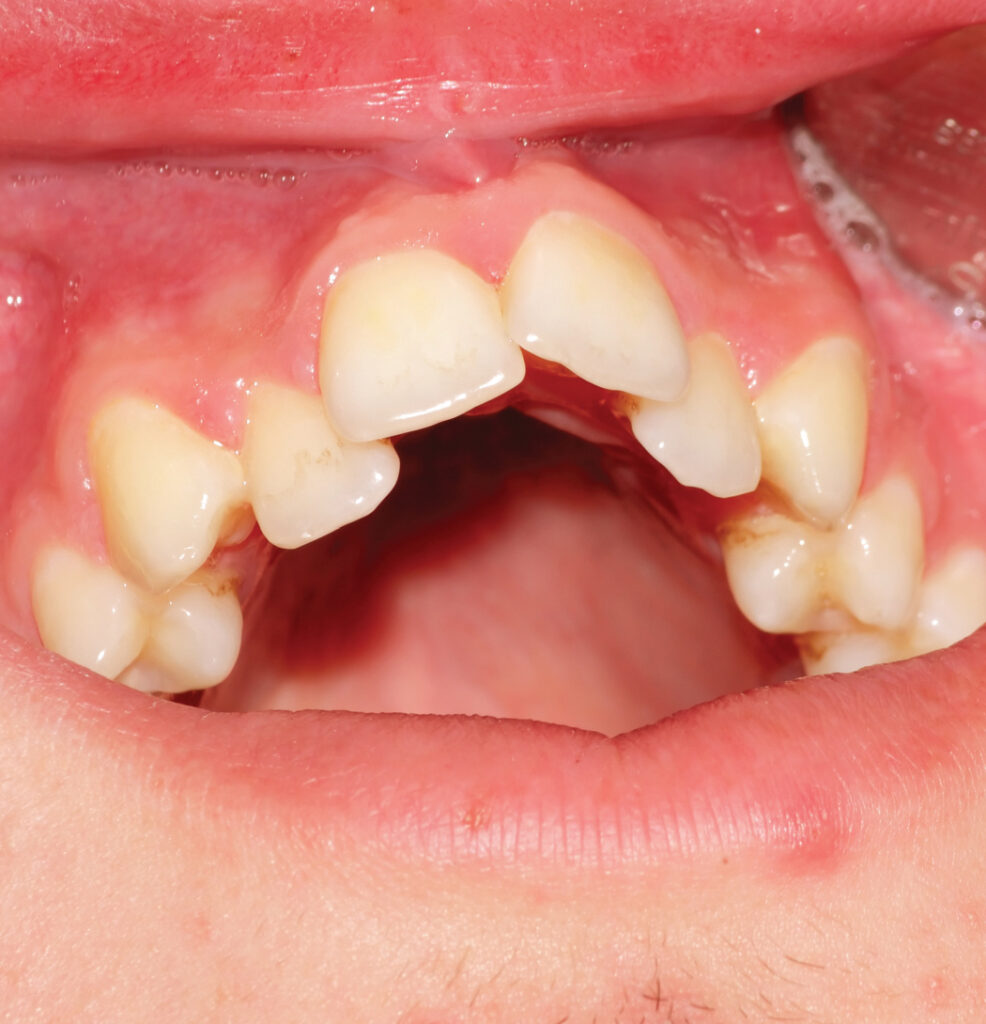
Once permanent teeth start coming in, usually around ages 5 or 6, thumb sucking can start to affect how those teeth and the jaw develop. The constant pressure from sucking can gradually shift things out of place in a few specific ways:
- Push the front teeth out of alignment, sometimes creating a gap between the upper and lower teeth (called an open bite) or causing the teeth to protrude.
- Crossbite, where the upper jaw narrows and the back upper teeth end up biting inside the lower teeth.
Beyond the teeth themselves, prolonged sucking can also affect the shape of the roof of the mouth, sometimes narrowing it into a higher, more arched shape, and disrupt how the upper and lower jaw grow in relation to each other. In some cases, a narrowed palate can even restrict the airway, contributing to mouth breathing or sleep issues, such as pediatric obstructive sleep apnea.
How much of an impact it has often comes down to intensity. A child who rests their thumb passively in their mouth is less likely to run into these issues than one who sucks more aggressively, but either way, it’s still a habit worth helping them break. And in a lot of cases, if the habit stops early enough, the mouth can correct itself over time.
Gently Helping Your Child Break the Habit
Dr. Greenberg shares a proven behavior modification contingency program to help children break the thumb sucking habit.
Breaking a thumb sucking habit works best with patience rather than pressure. Avoid scolding, teasing, or pulling your child’s thumb out of their mouth, since that can actually increase anxiety and make the habit stick around longer. Instead focus on praise/rewards for the times they aren’t sucking their thumb, try to keep their hands busy, and create a comforting, consistent routine for them. You can also try to identify what’s triggering the habit, whether it’s stress, boredom, or needing comfort at bedtime, and replace the habit with something else. Another option is introducing gentle deterrents like bitter nail solutions or bandages as reminders for children to keep their thumb out of their mouth, not as a punishment.
Since your child is a little older now, they’re also better able to understand why breaking the habit matters, which makes this a good age to involve them directly. Let them help choose how they want to work on stopping, and if it’s helpful, we’re happy to offer some explanation too. Sometimes hearing it from someone other than their parents helps it land differently.
When to Come Into the Office
Most kids eventually outgrow thumb sucking on their own, and even when they don’t, the habit is manageable to break with a little bit of patience. However, if your child is still sucking their thumb past ages 6 or 7, or sooner if their permanent teeth have started coming in, it’s worth having a professional take a look especially since at this age, some children are reaching the point where early, or Phase 1, orthodontic treatment can be considered.
If you’re noticing changes in your child’s bite or the shape of their teeth, or you’re simply not sure whether the habit has gone on too long, come in for a consultation. We’re happy to take a look, answer your questions, and help you figure out the right next step for your child’s smile.
If you have any questions about your child’s thumb sucking habit, call the front office at (972) 335-1300 during our regular business hours (Mon-Thur 8am-5pm) or submit an online appointment request after hours and one of our friendly, office staff will respond when we’re back in the office.
Frequently Asked Questions about Thumb Sucking
Is it normal for a 6 or 7 year old to still suck their thumb?
It’s not unusual for school-aged children to still suck their thumb, but by this age, it’s a habit that you should gently work on breaking with your child.
How do I get my child to stop sucking their thumb?
To help your child break the habit of sucking their thumb, focus on positive reinforcement and involve your child in choosing how they’d like to stop, rather than scolding or punishment.
Can thumb sucking cause permanent damage to teeth?
Thumb sucking can cause permanent damage, especially once permanent teeth have come in, but many changes can still correct themselves, or be corrected with orthodontic treatment, if the habit stops early enough.
What age is too old for thumb sucking?
Most children stop sucking their thumb between ages 2 and 4. If the habit continues much past that, especially once permanent teeth are in, it’s worth talking to an orthodontist.