PEDIATRIC OSA
sleep apnea in kids
EARLY
SCREENING
IS KEY
Obstructive sleep apnea (OSA) is the most common, but potentially serious form of Sleep-disordered breathing (SDB). People commonly think that OSA only occurs in older adults, but that’s not true! Children can suffer from OSA, and the symptoms go beyond loud snoring. All ages, body shapes and sizes can suffer from OSA without ever knowing it. It’s estimated that 90% of those who have OSA have never been diagnosed. And children will not outgrow OSA and become predisposed to being apneic as an adult.
Devastating effects of Pediatric Obstructive Sleep Apnea
Sleep-disordered breathing (SDB) is a general term for breathing difficulties during sleep ranging from frequent loud breathing or snoring to Obstructive Sleep Apnea (OSA). Pediatric Obstructive Sleep Apnea is a disorder in young children involving repeated episodes of partial to complete blockage of the upper airway during sleep. Every time breathing stops the child’s body perceives a choking phenomenon. Blood oxygen levels fall, the heart rate and blood pressure rise and hormones are released to partially awaken the brain from sleep to signal the body it needs to breathe. Silence from not breathing is often followed by loud gasping, choking or snorting sounds as the child takes a deep enough breath to fight past the obstruction. Once a breath is taken the brain returns to sleep and the process begins once again. Apnea events can occur from a few times to hundreds of times a night depending upon the severity of the condition. Individuals are rarely aware of difficult breathing even after waking. Children suffering from Pediatric OSA do not know what it is like to experience deep sleep and consequently can’t inform you they didn’t sleep well.
Some Pediatric OSA symptoms may surprise you!
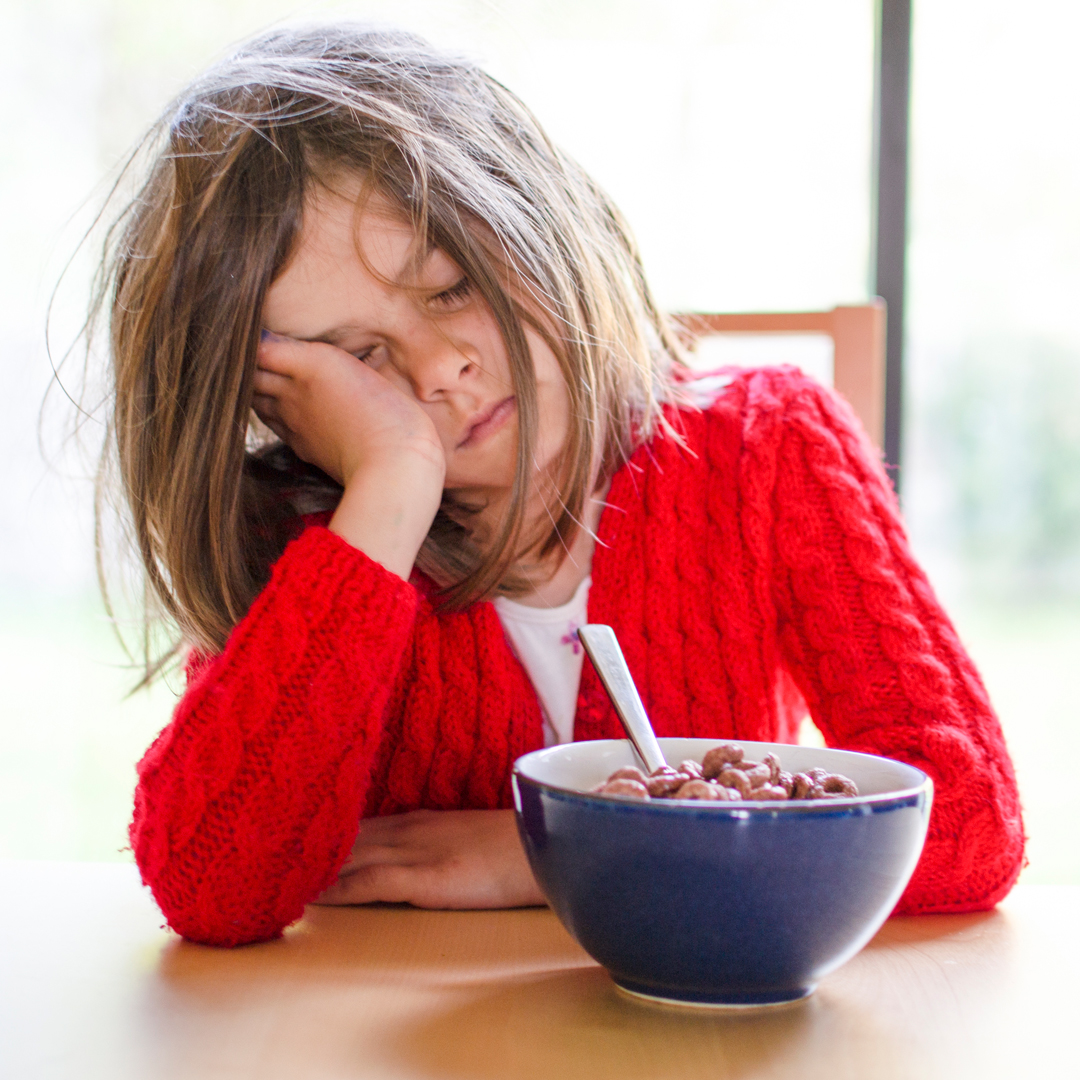
Does your child breathe loudly or snore during sleep and exhibit some of the other symptoms listed below? They may be one of the millions of children with Sleep Disordered Breathing. Approximately 10% of all children suffer from SDB and about 2-4% of the pediatric population has OSA. While not all people with SDB have OSA, almost everyone with OSA suffers from SDB.
Other symptoms linked to children suffering with OSA.
Bedroom Observations (nighttime):
- Frequent Bed wetting – even at 9 years and older
- Habitual mouth breathing
- Long pauses in breathing
- Nightmares
- Agitated sleep or unusual sleeping patterns
- Difficulty to wake in the morning
Behavioral Problems (daytime):
- Decreased performance / learning problems in school
- Attention and concentration problems
- Hyperactivity – sometimes incorrectly diagnosed as ADD/ADHD
- Irritability and/or aggressiveness
- Shyness and social withdrawal
- Daytime sleepiness

Pediatric OSA studies with Orthodontics
There are a number of orthodontic techniques that can help children diagnosed with Pediatric Sleep Disordered Breathing (SDB) and Obstructive Sleep Apnea (OSA). One of them is Rapid Palatal Expansion (RPE). In this sleep medicine study, by widening the palate with orthodontics it significantly reduced the size of adenoids and tonsils in children, allowing for more airflow when they sleep. As Airway-Aware Orthodontists, we respect and admire Dr. Audrey Yoon’s work in both research and use of this technique to assist children. RxSmile Orthodontics has used palatal expansion for several years now with great success! Watch Dr. Yoon’s 2022 study and if your child exhibits any of these breathing symptoms, contact us for a complimentary pediatric sleep screening (for ages 7 and up).
Please note: if your child is under the age of 7 and coming in specifically for a pediatric sleep screening, we’ll be happy to schedule the consultation but there will be a nominal fee for the imaging scans, exam, sleep assessment and recommendations.
Long-Term Consequences of Pediatric Obstructive Sleep Apnea
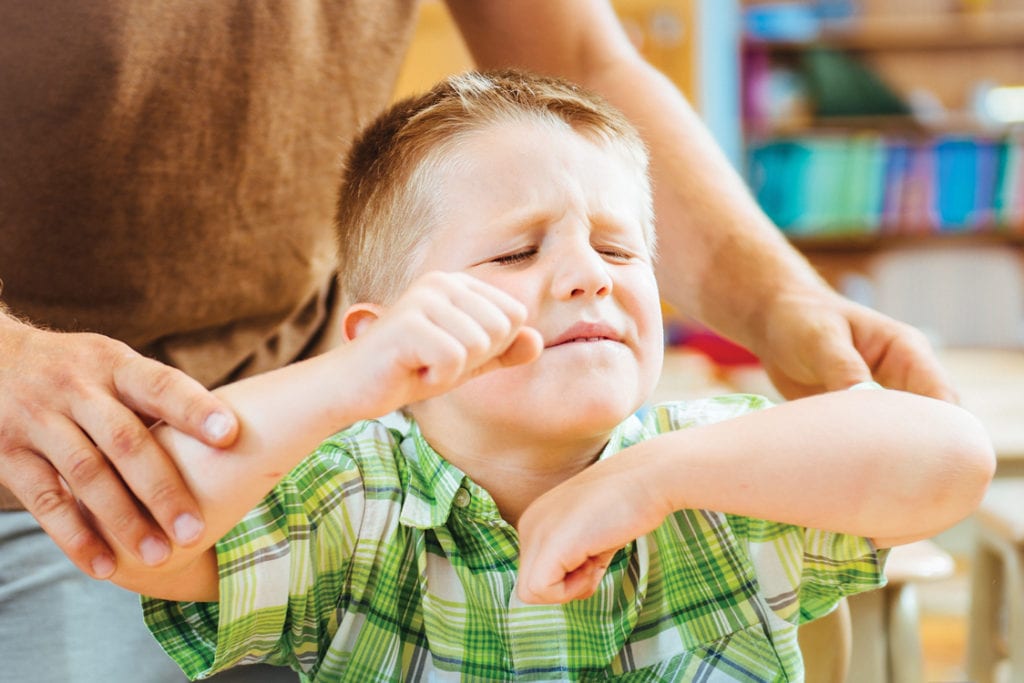
If left untreated, both the fragmented sleep and periods of inadequate oxygen supply that characterize OSA can result in severe long-term complications including:
- Stunted Growth. A child’s growth hormones are primarily released during deep sleep.
- Impaired Intelligence / Memory Loss
- Failure to Thrive
- Quality of Life / Depression
- Increased risk for Alzheimer’s disease
- Heart arrhythmias, high blood pressure, heart failure or stroke
There is Good News – RxSmile can Help!
If your child exhibits symptoms of pediatric sleep apnea please have them screened immediately! In many cases, effective treatment of OSA in children can partially or completely reverse the symptoms and long-term consequences.
As Orthodontists, Drs. Greenberg and Ortiz are acutely attuned with the growth and development of a child’s face and head. They also have airway-specific training and knowledge making them uniquely qualified to screen your child and recognize pediatric sleep-disordered breathing symptoms. RxSmile believes OSA is so detrimental to the development and long-term health of your child that we offer a Complimentary Sleep Screening (for ages 7 and up).
RxSmile’s pediatric sleep screening includes:
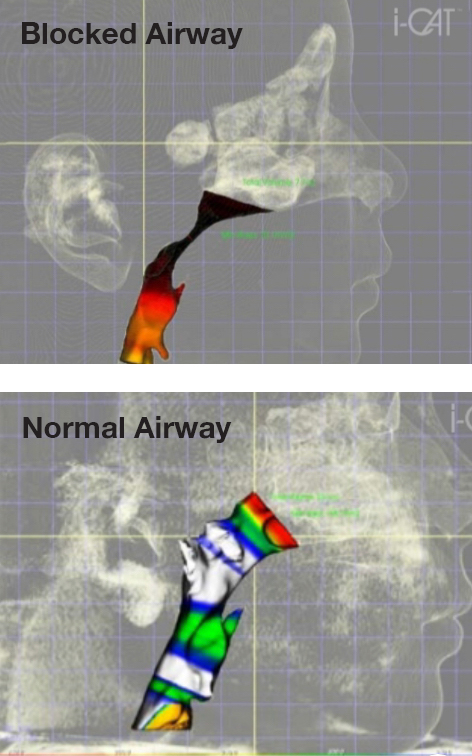
- 3D CBCT airway scan
- Clinical examination
- Pediatric Sleep Questionnaire VIEW/DOWNLOAD PDF >
- Recommend what to do “next”
RxSmile works in conjunction with ENTs and sleep-disordered breathing physicians. If pediatric OSA is confirmed from a certified sleep physician, Dr. Greenberg or Dr. Ortiz can work with that physician to coordinate a treatment plan. There are a number of orthodontic techniques that can help children diagnosed with Pediatric Obstructive Sleep Apnea or Sleep-Disordered Breathing. Treatment options vary and are unique to each patient. Since children are still growing, early screening is key!
Please note: if your child is under the age of 7 and coming in specifically for a pediatric sleep screening, we’ll be happy to schedule the consultation but there will be a nominal fee for the imaging scans, exam, sleep assessment and recommendations.
Frequently Asked Questions about Pediatric Obstructive Sleep Apnea
What is pediatric obstructive sleep apnea (OSA)?
Obstructive Sleep Apnea (OSA) is the most common form of Sleep-disordered breathing (SDB). It’s a condition where a child’s breathing repeatedly becomes partially or completely blocked during sleep. Blood oxygen levels fall, heart rate and blood pressure rise, and healthy, restful sleep is disrupted.
Can children really have sleep apnea?
Yes. Sleep apnea is not just an adult condition. Children can develop it too, especially if they have enlarged tonsils and adenoids and a narrow airway. In fact, approximately 10% of all children suffer from SDB and about 2-4% of the pediatric population has OSA.
What are the signs and symptoms of pediatric sleep apnea?
Common signs include loud snoring, mouth breathing, restless sleep and nightmares, bedwetting (even at 9 years old), pauses in breathing during sleep, and difficulty waking in the morning. Daytime symptoms may include difficulty focusing, irritability, hyperactivity, or excessive tiredness.
Is snoring in children normal?
Occasional light snoring can happen, especially when they have a cold, allergies, or are very tired. However, loud, frequent snoring is not normal and may be a sign of Sleep-disordered breathing.
When should my child be screened for sleep apnea?
Children should be screened if they regularly snore, breathe through their mouth, or show signs of poor-quality sleep. The American Association of Orthodontists also recommends an orthodontic evaluation at age 7, which is a great time to assess airway development as well. For children aged 7 and up, RxSmile offers complimentary sleep screenings.
What happens during a pediatric sleep screening?
RxSmile’s pediatric sleep screening includes a 3D CBCT airway scan, clinical examination, and pediatric sleep questionnaire. We evaluate their airways, measure everything, and check their adenoids and tonsils. We then decide if we can help orthodontically with an expander or if we need to refer you out to an ENT.
Does my child need to see a sleep physician or ENT as well?
In some cases, yes. RxSmile works closely with ENTs and sleep physicians. If pediatric OSA is confirmed by a certified sleep physician, we will work with them to coordinate a treatment plan.
How can orthodontic treatment help with pediatric obstructive sleep apnea?
A rapid palatal expander (RPE) is an orthodontic treatment that can gently widen a child’s upper jaw while they’re still growing. By widening the palate with orthodontics it can significantly reduce the size of adenoids and tonsils in children, allowing for more airflow when they sleep. Early treatment can support healthier breathing and proper jaw development.