
The Ultimate Guide to Braces-Friendly Foods
What to Eat, What to Avoid, and How to Keep Your Smile on Track

So you just got braces… and suddenly you’re wondering, “Wait, what can I even eat now?”
The good news is you can still enjoy plenty of your favorite foods. You’ll just need to make a few adjustments to protect your brackets, wires, and overall treatment progress. Knowing what to eat (and what to avoid) can help prevent broken appliances, reduce soreness, and keep your smile moving in the right direction as efficiently as possible.
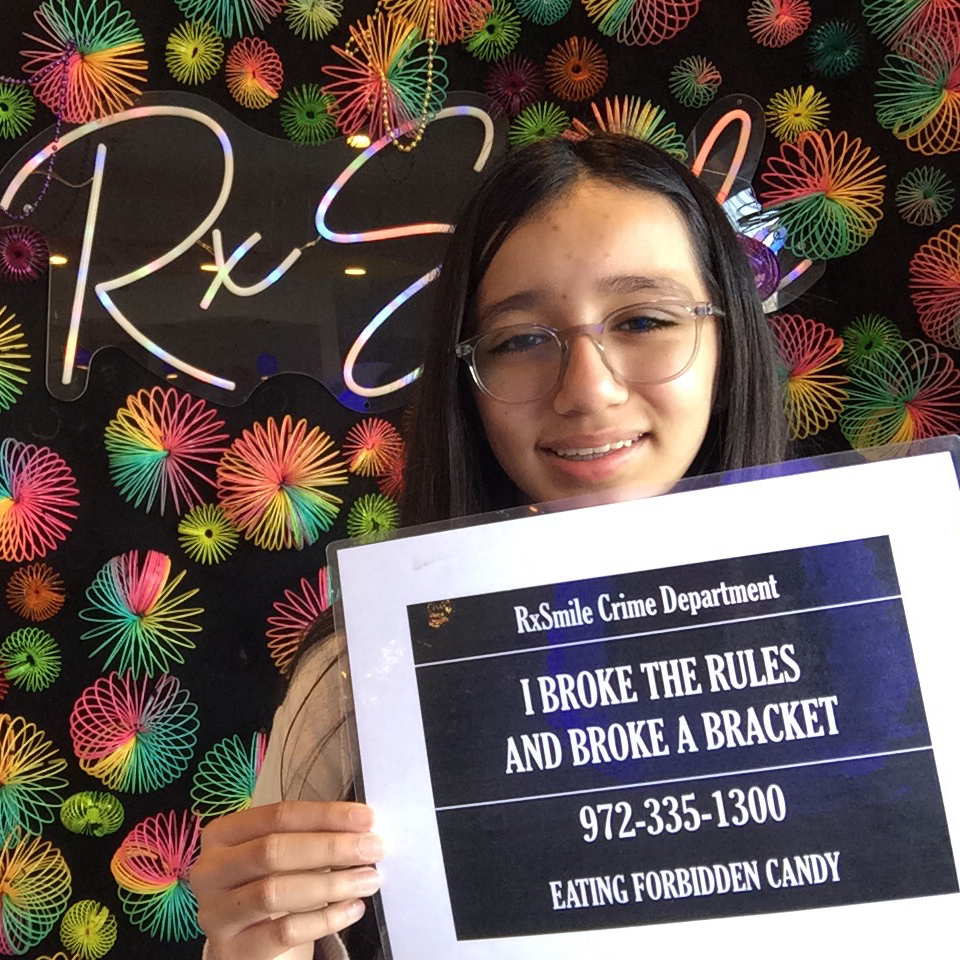
Why What You Eat Matters
The foods you eat during treatment can make a big difference in how smoothly your braces journey goes. Certain hard, sticky, or chewy foods can break brackets, bend wires, or loosen appliances. When that happens, it can mean extra appointments and possibly a longer treatment time. Braces also create more nooks and crannies for food to get stuck in. If those areas are not cleaned properly, the risk of cavities and gum irritation increases. So, making braces-friendly food choices also helps protect your overall oral hygiene.
It’s not just what you eat that matters. How you eat is just as important too. We highly recommend cutting food into small, bite-sized pieces. They are easier to eat and can help prevent unnecessary damage. Following these small adjustments from the very beginning can make a huge difference in keeping your treatment on schedule!
What You Can Eat With Braces
The good news is that you can still eat most of the food you normally enjoy! Once your teeth are no longer sore, meals should feel pretty normal with just a few small adjustments. In many cases, it’s not even about giving up a food completely. It is simply about preparing it differently.
A whole apple is not your braces’ best friend, but apple slices are perfectly fine. Corn on the cob can turn into corn off the cob. Meat on the bone can easily become bite-sized pieces on your plate. When in doubt, make it smaller, chew with your back teeth, and take your time. Your braces will thank you!
What to Eat When Your Teeth Are Sore
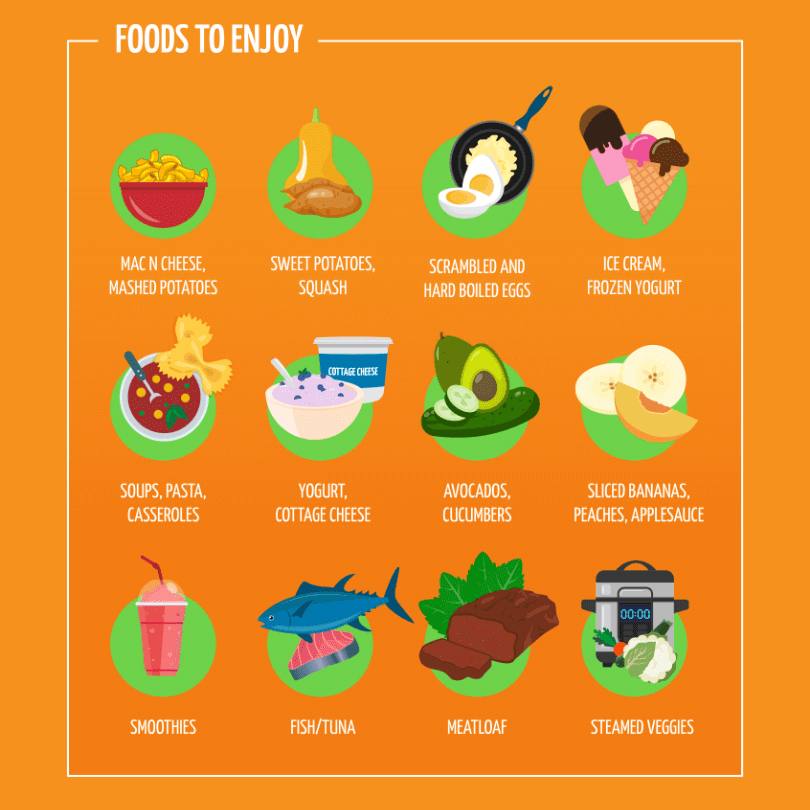
New braces can make your mouth a little sensitive. If you can still eat normally, awesome! It can actually help your teeth get used to the braces faster. However, if you are feeling some discomfort, soft foods are your best friend while everything adjusts.
Soft foods to stick with if your teeth are sore with braces:
- Scrambled or hard boiled eggs
- Oatmeal
- Yogurt or cottage cheese
- Soft breads or muffins
- Soft cheeses or Mac and cheese
- Mashed Potatoes, sweet potatoes or squash
- Soft Vegetables
- Applesauce
- Avocados or cucumbers
- Fish, tuna or meatloaf
- Bananas or peaches sliced
- Soups, pasta or casseroles
- Ice cream, smoothies or frozen yogurt
Foods to Avoid With Braces
While you can still enjoy most foods, there are a few that are tougher on braces than others. These foods are more likely to break brackets, bend wires, or get stuck in your teeth and are hard to clean out.
- Hard foods: Hard candy, ice, nuts, and very crunchy chips or pretzels can put too much pressure on brackets and wires, which may cause them to break.
- Sticky or chewy candy: Caramel, taffy, chewing gum, and gummy candies can cling tightly to braces and may loosen brackets or pull on wires.
- Popcorn: The hard kernels can get trapped under wires or between brackets and are a common cause of broken appliances.
- Crunchy raw fruits and vegetables: Whole raw apples, carrots and similar foods can snap brackets if you bite into them directly. These are usually fine when sliced thin or steamed/boiled to soften.
- Hard breads and crusts: Crispy pizza crust, hard rolls, and dense bagels can be a challenge to your braces.
- Chewy or tough meats: These can put stress on your braces. Cutting meat into small pieces makes it much safer to eat.

The 30-Minute Rule for Invisalign Users
One of the biggest perks of Invisalign is that there are no food restrictions like there are with braces. Since you remove your aligners to eat, you can enjoy all of your favorite foods. However, there is one particularly important habit to follow during treatment: the 30-minute rule.
After removing the aligner to eat or drink, wait about 30 minutes before putting your aligners back in. When you eat, your mouth becomes temporarily more acidic. Giving your teeth a little time allows your saliva to naturally rebalance the pH level of your mouth before the aligners go back in. Reinserting them too quickly can trap food particles and acids against your teeth, which increases the risk of cavities, enamel damage, and staining of the aligners.
During those 30 minutes, brush and floss if possible, or at least rinse your mouth thoroughly. Then also rinse your aligners with lukewarm water before placing them back in.
Since Invisalign should be worn 20-22 hours per day, it also helps to avoid frequent snacking. Keeping meals more structured makes it much easier to follow the 30-minute rule and wear your aligners enough each day so that you stay on track with treatment.

Frequently Asked Questions about Eating with Braces
What teeth should you chew with during braces?
You should chew with your back teeth whenever possible to help reduce pressure on brackets and wires. Cutting food into small, bite-sized pieces also helps prevent damage.
What should I eat the first week of braces?
If you’re feeling discomfort and want to stick to soft foods, we recommend things like yogurt, mashed potatoes, scrambled eggs, pasta, soups, and ice cream. Although you can eat like normal and it actually helps your teeth get used to the braces faster, these options are gentle on sore teeth and make eating more comfortable as your mouth adjusts.
What can’t I eat when I get braces?
Avoid hard, sticky, or crunchy foods like nuts, popcorn, caramel, chewing gum, hard breads, chewy meats, or raw vegetables. These can break brackets, bend wires, or get stuck in your braces.
What are braces-friendly snacks for school?
For school snacks opt for easy, safe options like string cheese, applesauce, yogurt cups, soft bars, puffed popcorn such as Pirate’s Booty, and cut-up fruits or veggies to enjoy without risking damage to your braces.
What are soft, sweet snacks for braces?
Soft treats like pudding, ice cream, fruit cups, and soft muffins are braces-friendly. Also, most chocolates are soft enough to be eaten without any issues.
What are easy lunch ideas for kids with braces?
Simple lunches that are easy to chew and cut into bite-sized pieces work best for school. Great options include:
- Creamy peanut butter and jelly on soft sandwich bread
- Egg salad or chicken salad on soft sandwich bread
- Mac and cheese
- Turkey and cheese pinwheels made with a soft tortilla, rolled and sliced
- Pasta with meatballs cut into small, bite-sized pieces.

A few smart adjustments now, go a long way for a lifetime of smiles later
Braces don’t mean completely changing the way you eat. They simply call for a little extra care and smarter choices at mealtime. Avoiding hard and sticky foods, cutting things into bite-sized pieces, and choosing softer options when your teeth are sore can help prevent broken brackets. And if you’re wearing Invisalign, remembering the 30-minute rule helps protect your teeth.
These small habits protect your appliances and help keep your treatment schedule on track so you can enjoy your new smile sooner. If you have any questions about what to eat or how to care for your braces or Invisalign, don’t hesitate to contact us at (972) 335-1300 during our regular business hours (Mon-Thur 8am-5pm) or ask at your next appointment!
Invisalign®, the Invisalign logo, and iTero®, among others, are trademarks and/or service marks of Align Technology, Inc. or one of its subsidiaries or affiliated companies and may be registered in the U.S. and/or other countries.